The pressure, made real
Built from the moment your team keeps mishandling - competing priorities, an escalation, a setback. The same kind of pressure, genuinely rising in the room.


Paul Holmes · Team performance
Dr Paul Holmes trains teams to reconnect it - clear decisions, named owners and work that keeps moving while the stakes rise.
Doctor of Chiropractic · Former Chief Cultural Officer at 5X · Seen on the TEDx stage · 15 years in clinical practiceMeet Paul Holmes

Throughout the day, our team had to solve unexpected challenges and make quick decisions, and I believe the session helped us approach those situations with a calmer mindset instead of reacting from stress.
Tuesday, 3pm. The deadline moves, the client rings, and the new information changes everything. Nobody forgets how to do their job - but decisions queue, voices sharpen, the handover slips, and someone senior quietly takes the wheel.
The expertise is still in the room - pressure has cut the wire. The business pays through missed deadlines, repeated work and unhappy clients, and eventually through the best people deciding it is easier to leave.
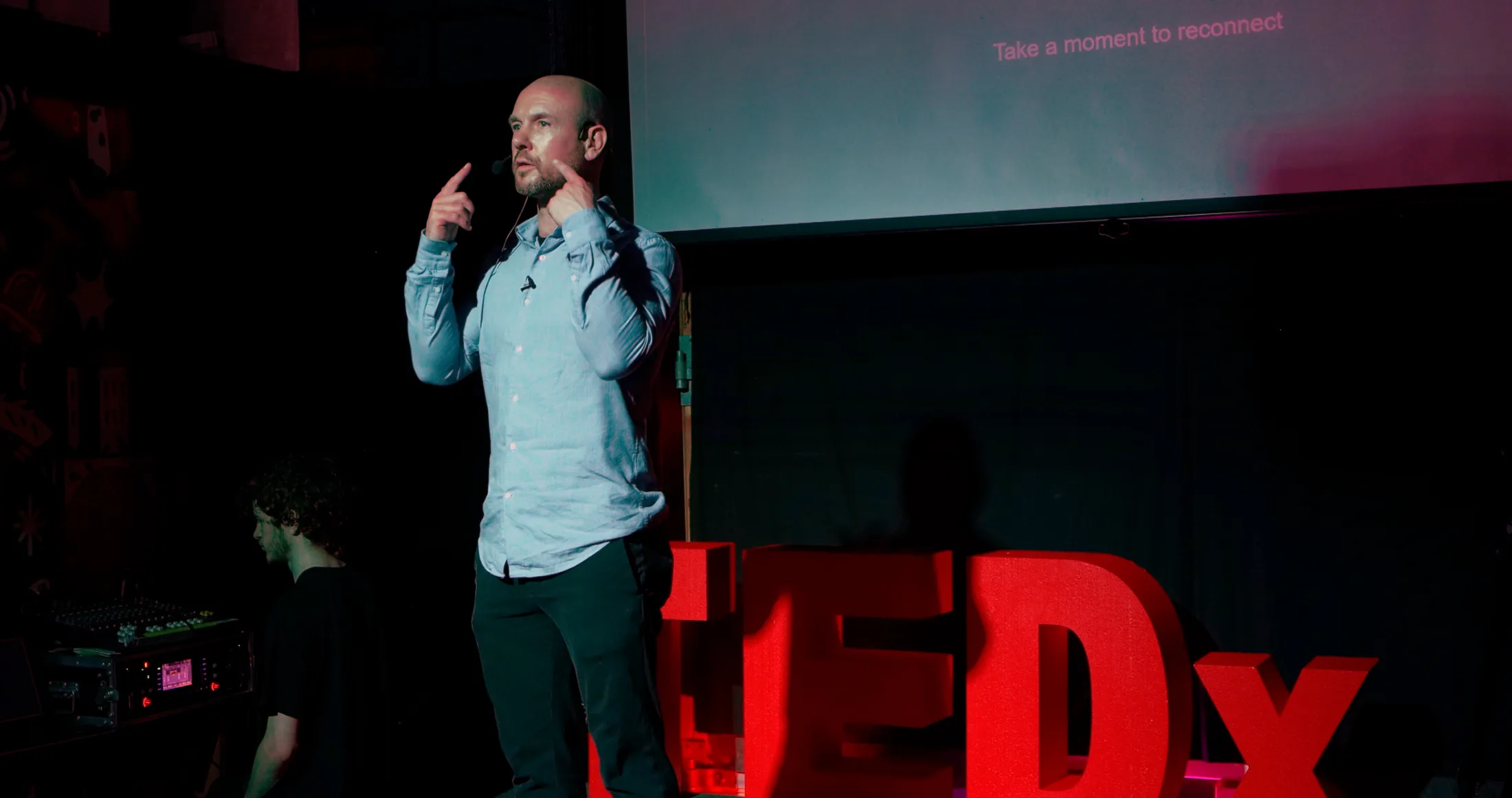
People do not forget how to do their jobs. Pressure makes it harder to use what they know. Paul teaches them how to get it back.
Slow decisions, broken handovers and work that has to be done twice. Start with the hours your team loses each month.
No form to fill in. Adjust the numbers to see the annual cost.
To delays, confusion or doing work twice
An estimate including employment costs
An illustration using your estimates, not a forecast of savings. People × hours × hourly cost × 12 months.
Talk to Paul about where that time goesA separate estimate including absence, working below par and replacing staff. Adjust the numbers and your estimate of pressure’s share.
Likely cost, per year£41,795
Built on numbers every owner already knows. It assumes the UK average of six sick days per person per year, prices a day at salary divided by 230, counts working below par at 6% of payroll - the government’s Keep Britain Working review puts presenteeism at four to nine lost days per person a year - and prices replacing a leaver at 75% of salary in fees, ramp-up and lost momentum. The final slider then scales everything down to only the share you attribute to pressure. Deliberately conservative: treat it as the floor, not the forecast.
No case studies and no acting out old incidents. Paul builds the kind of pressure this team keeps meeting, live in the room - trains the response, then raises the pressure again.
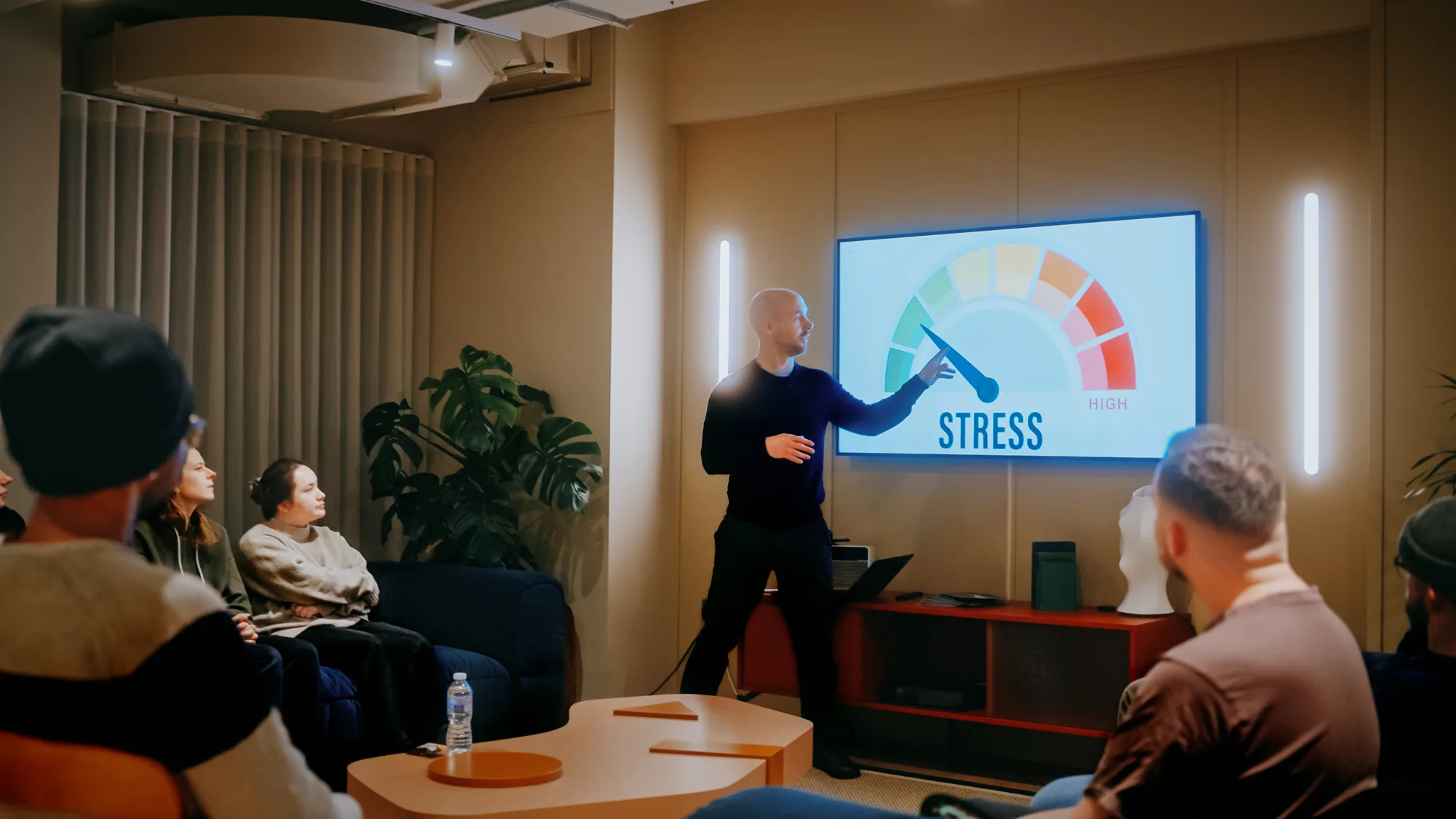
Built from the moment your team keeps mishandling - competing priorities, an escalation, a setback. The same kind of pressure, genuinely rising in the room.
The room sees what pressure changes: pace, voices, ownership, the decision that stalls.
Paul teaches the in-the-moment sequence and drills it until nobody has to think about it.
The same pressure again, with a fresh curveball. The team feels the difference - and so does everyone watching.
One familiar call that brings it back whenever pressure returns. Two weeks later, Paul checks it stuck.
Work with Paul
Step one · A focused 90-minute team session
Paul takes one pressure moment your team keeps mishandling, shows people what changes when the heat rises and teaches a response they can use while the work is still happening.
See the Pressure ResetWhat follows · Eight weeks, five sessions
The Reset proves what your team can do differently. Eight weeks of practice on live work makes it their default - owned by your managers, not dependent on Paul.
See the full programme
Paul Holmes spent fifteen years in chiropractic practice, supported by extensive advanced training in nervous system function. He then spent more than a year as Chief Cultural Officer at 5X, working with leadership, HR and teams across a global, venture-backed data and AI company of more than 60 people. He can see the early signs that pressure is taking over, explain them without jargon and teach people what to do while the work is still happening. Teams leave with something they can use, and managers know how to keep it going.
What people report after the room - in their own words.
I have never seen the team looking so relaxed and positive. I know they continue to use what they learned during their work in the NHS.
His blend of research-based explanation and practical guidance was just right. I now use the breathing techniques whenever I feel under pressure - they help me stay calm, focused and clear-headed.
Paul took me from being an anxious, struggling business owner to running not one, but two thriving businesses. His approach felt simple and grounded in common sense.







Good - so is Paul. Nobody is asked to share feelings and there is no homework. The team sees what pressure changes in its own work, learns the response and proves it themselves before deciding where it belongs. Sceptics tend to turn on the second run - because they feel the difference, not because anyone told them to.
Bring the moment that keeps going wrong: a missed deadline, a client escalation, a difficult decision or a handover that keeps breaking down. Paul starts there.
Decisions get made and owned. Handovers hold. The team returns to useful work faster when pressure knocks it off course. You see it in the room first, then in the work.
Paul does the reading and the recording - nobody fills in a form. He watches for steadier breathing, clearer communication, faster decisions and named ownership, then checks two weeks later what the team actually used at work. The longer programme also follows one business measure the company already trusts.
The team leaves knowing what to do when pressure starts taking over. The decision-maker gets Paul’s clear view of what he saw and what should happen next. Two weeks later Paul checks what got used for real.
Bring Paul the missed deadline, difficult decision, escalation or handover that keeps causing problems. He will tell you what he can help the team change.
Book 15 minutes with Paul