Pressure starts pulling the work apart.
Breathing quickens, focus narrows, communication becomes reactive and the next useful action gets lost.

The first engagement
A focused 90-minute session for the deadline, decision or escalation that keeps leading to rushed thinking, unclear ownership or repeat work.
This is for a capable team that normally knows what to do, but starts making slower decisions, dropping handovers or repeating work when the pressure rises. These are four ways the same pattern can begin.
Priorities collide and the team gets busy before it has agreed what matters most.
Emotion rises, communication becomes reactive and the next useful action gets harder to name.
People either stall for certainty or rush a call before ownership and consequences are clear.
Blame, panic or overchecking creates more delay when the team needs to fix the problem and move on.
Breathing quickens, focus narrows, communication becomes reactive and the next useful action gets lost.
People steady themselves, keep thinking clearly and make ownership visible while the work is still moving.
 Edinburgh letting agency · 700+ homes managed
The session far exceeded our expectations and provided us with a ‘Pressure Toolkit’ that we can use, in real time to help deal with challenging situations we face.
Louis Scott and Karen of Howies - the Edinburgh restaurant group - on what changed for their team.
Before the session, Paul speaks to the decision-maker about one real deadline, decision or escalation and what it is doing to the work.
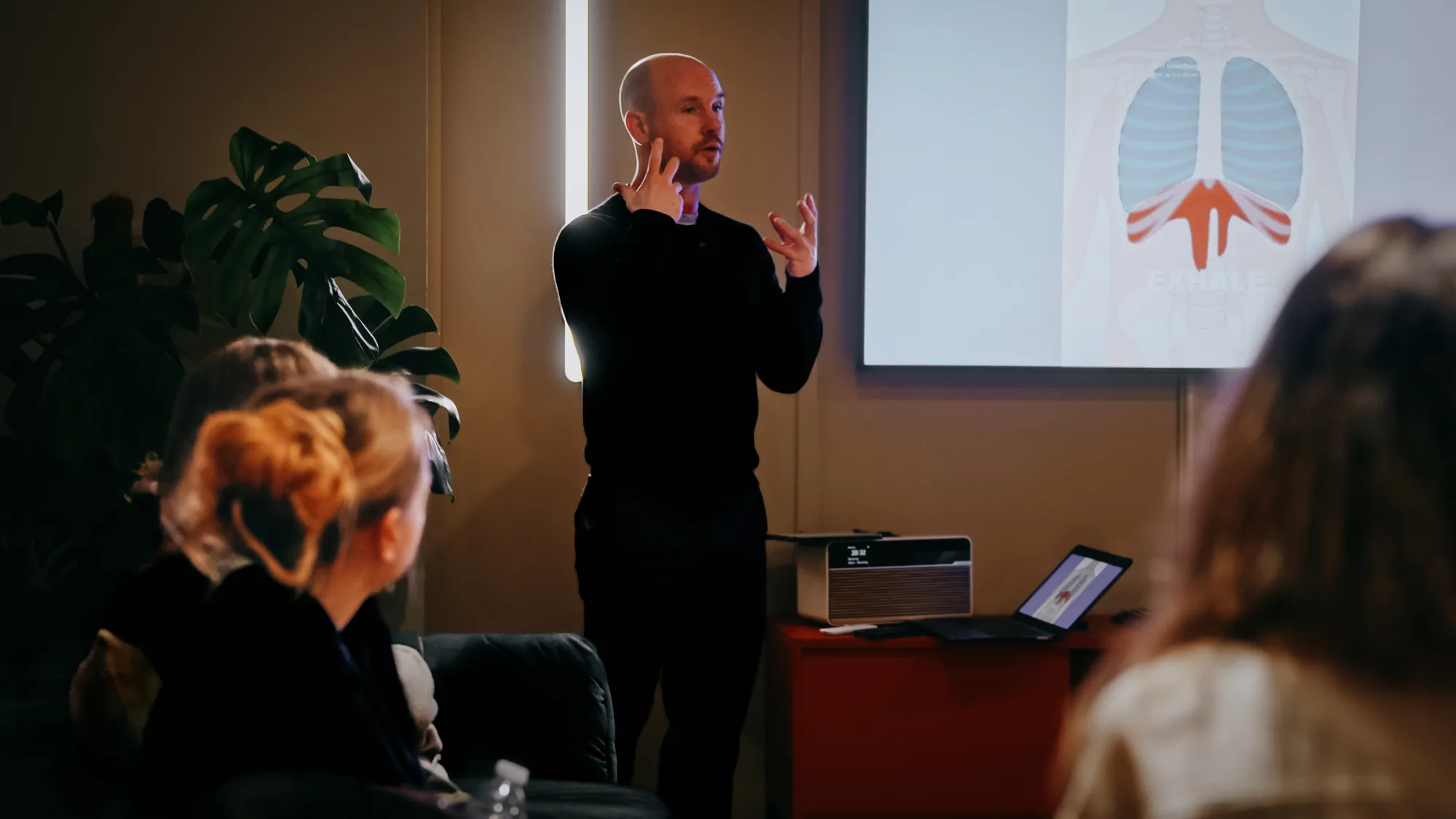
The team completes a short task. Paul points out what happens to breathing, focus, communication, decisions and ownership when the pressure rises.
People learn how to steady their breathing, change the way they read the pressure and stay with the task instead of being pulled into the reaction.
The team uses the response in a different task, so people can see the difference and know what it looks like in practice.
The team knows what to use. The manager knows what to watch. The decision-maker receives Paul’s short view of what should happen next.
Two weeks later, Paul checks whether the response showed up at work and where the team still needs help.
People leave knowing what to do when pressure starts affecting their breathing, focus or decisions.
The manager knows what to watch for and how to bring the team back to the next useful action.
The decision-maker gets Paul’s view of what happened, what the team learned and what should happen next.
Paul checks what the team used in real work and where it still needs help.
What 90 minutes can change
The team has used the response. The manager knows what to watch. The business knows what needs to improve next.
Tell Paul what keeps happening, who is involved and what it is costing the work. He will tell you whether a 90-minute Reset is the right place to start or whether the problem sits somewhere else.
See the eight-week programmeNo deck needed. Bring one deadline, decision or escalation and tell Paul what normally goes wrong.
Book 15 minutes with PaulNo. Breathing is one tool. The point is to help people think clearly, communicate properly and keep the work moving while pressure is happening.
No. Paul uses a safe task that creates the same kind of pressure, such as competing priorities or incomplete information. The team practises the response without acting out a fake version of the original incident.
A short, team-level summary of what Paul saw, what the team learned, when to use it and what he recommends next. Paul does not report private comments or label individual employees.
It can show whether the team understands the response and can use it under pressure. The two-week check shows whether anyone used it at work. Lasting business change takes more practice and is the job of the longer programme.
Tell Paul what happens. He will tell you whether the Reset fits.
Book 15 minutes